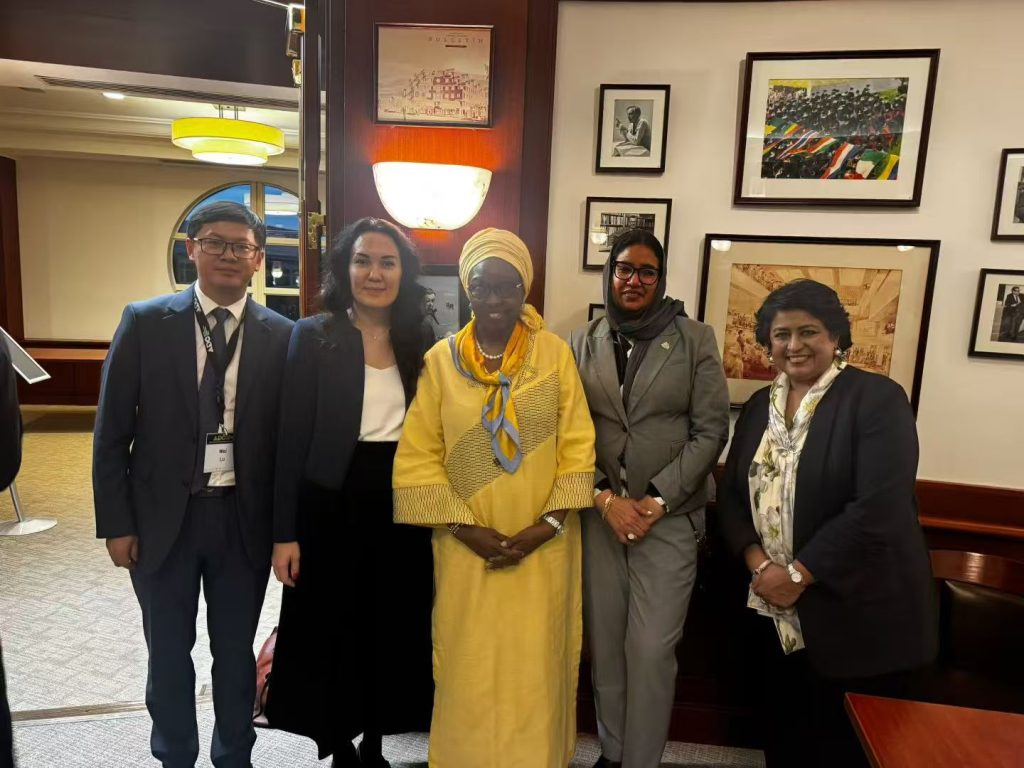
Cambridge, Massachusetts, April 2026 — Her Excellency Dr. Ameenah Gurib-Fakim, former President of Mauritius and Chair of the Board of Directors of the Global Leadership & Governance Institute (GLGI), participated in a series of high-level engagements at Harvard University. GLGI Director General Lu Wei also attended the events, reflecting the Institute’s growing engagement with global policy dialogue, African development, and international leadership cooperation.
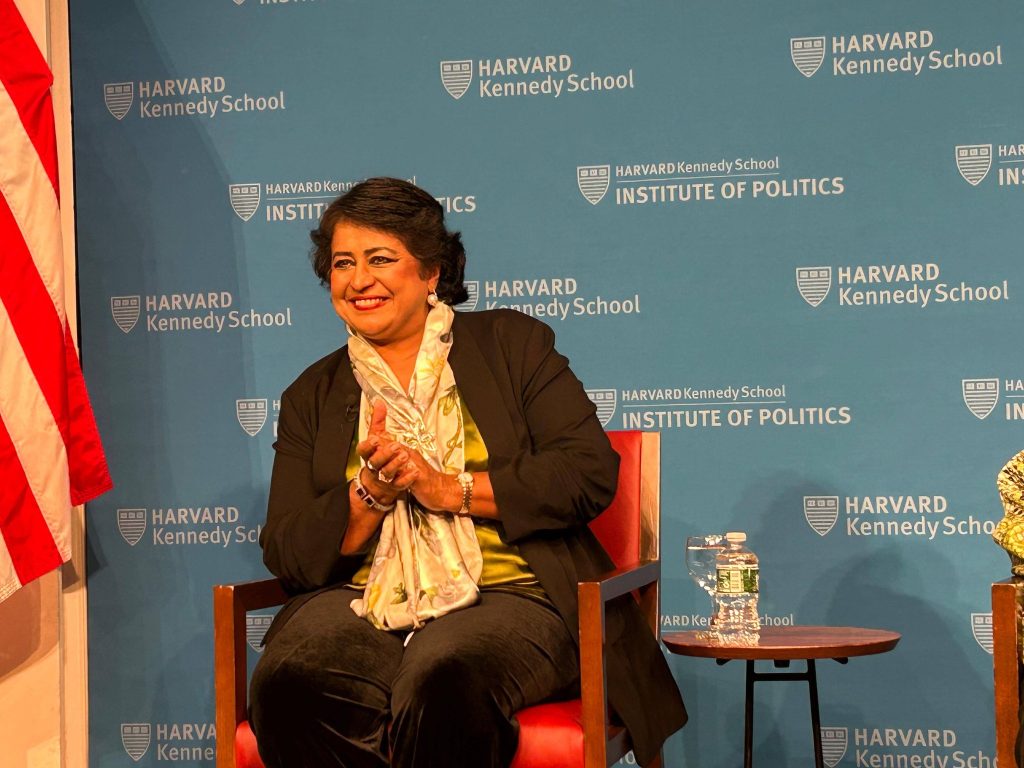
On April 17, 2026, H.E. Dr. Gurib-Fakim joined the Africa Development Conference 2026 at the Harvard Kennedy School Institute of Politics as a featured panelist for the session titled “Africa and the World: Reclaiming Agency in a Shifting Geopolitical Landscape.” The discussion examined Africa’s strategic agency amid changing geopolitical dynamics and highlighted the importance of leadership, innovation, governance, and stronger African participation in shaping global policy conversations.
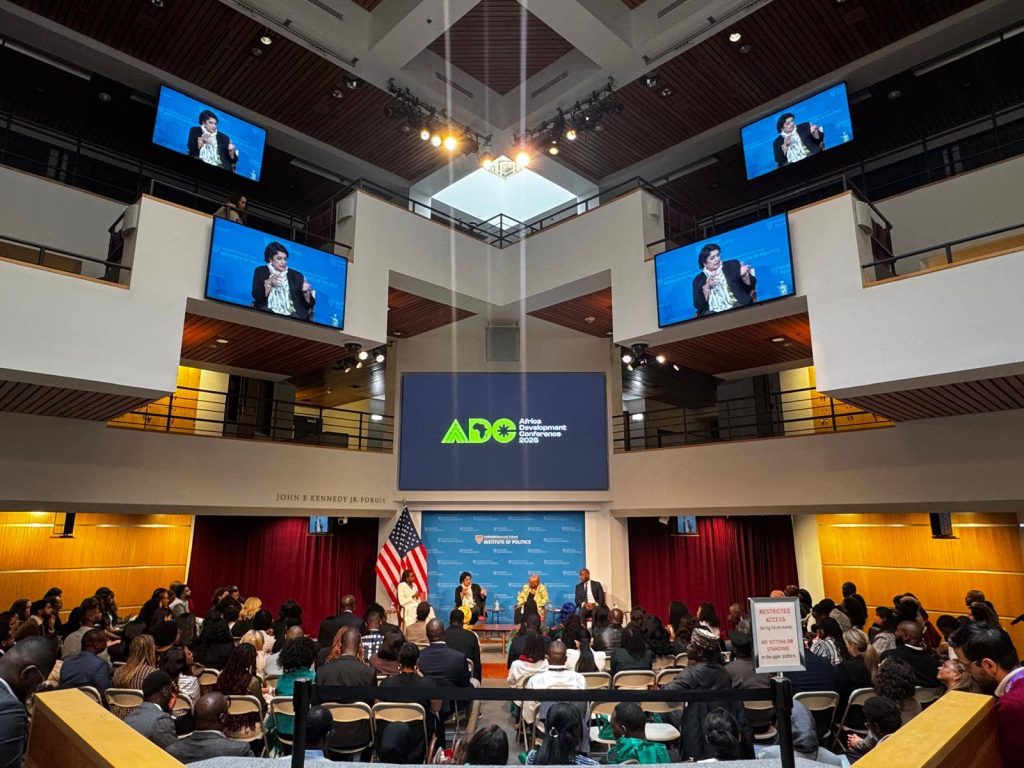
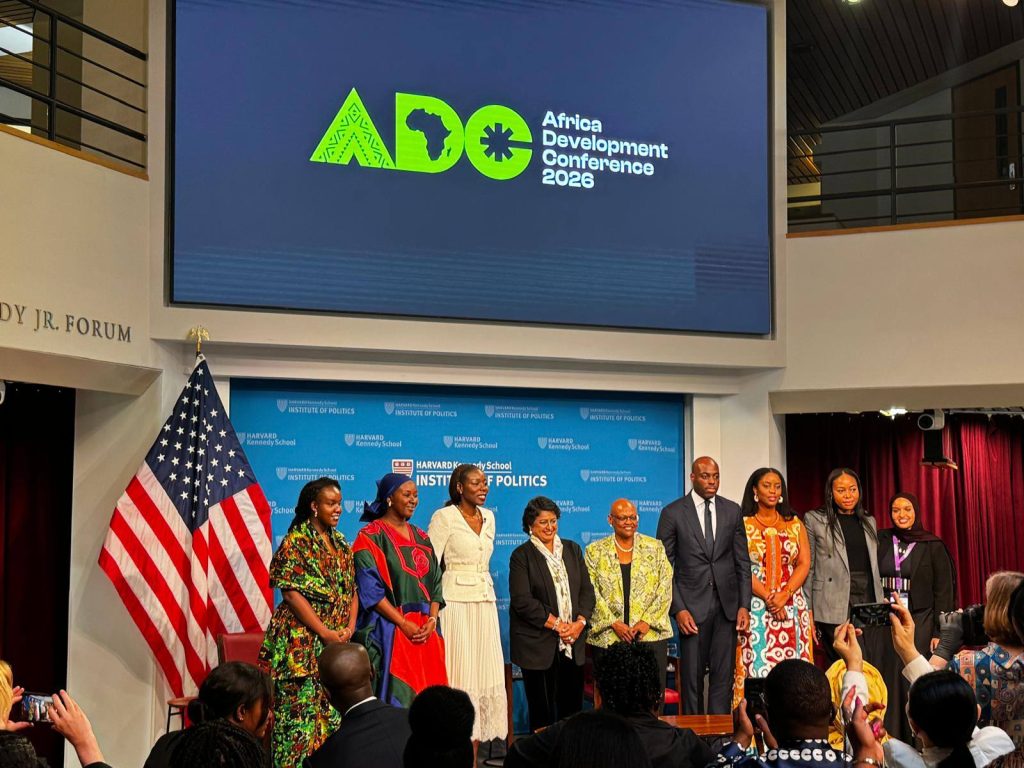
Other distinguished panelists included H.E. Mark-Alexandre Doumba, Minister of Digital Economy & Innovation of Gabon, and Dr. Jendayi Frazer, former U.S. Assistant Secretary of State for African Affairs. The session was moderated by Mayowa Kuyoro, Partner at McKinsey & Co. The event drew an engaged audience and reflected the growing global attention to Africa’s development priorities and policy voice.
During the Harvard engagements, H.E. Dr. Gurib-Fakim also participated in discussions with key leaders at the Center for African Studies at Harvard University. The meeting focused on the role of credible research, historical data, and institutional knowledge in supporting better decision-making across the African continent. H.E. Dr. Gurib-Fakim emphasized that Harvard’s deep repository of data and information can help inform policy choices in critical sectors such as agriculture, energy, technology, and youth employment, with the potential to strengthen productive sectors and long-term development outcomes.
The following day, April 18, H.E. Dr. Gurib-Fakim spoke at Harvard Law School, where discussions included the Abidjan Consensus and Africa’s evolving development agenda.
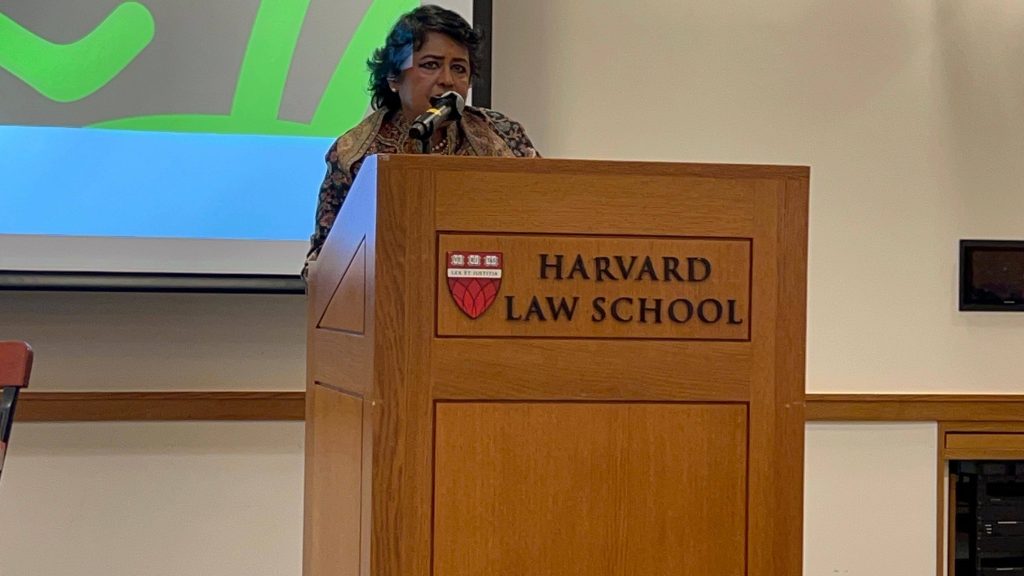
The event featured remarks from Dr. Sidi Ould Tah, President of the African Development Bank Group. In her opening address, H.E. Dr. Gurib-Fakim invoked Victor Hugo’s famous reflection that “nothing is more powerful than an idea whose time has come,” underscoring her belief that Africa’s moment has arrived.
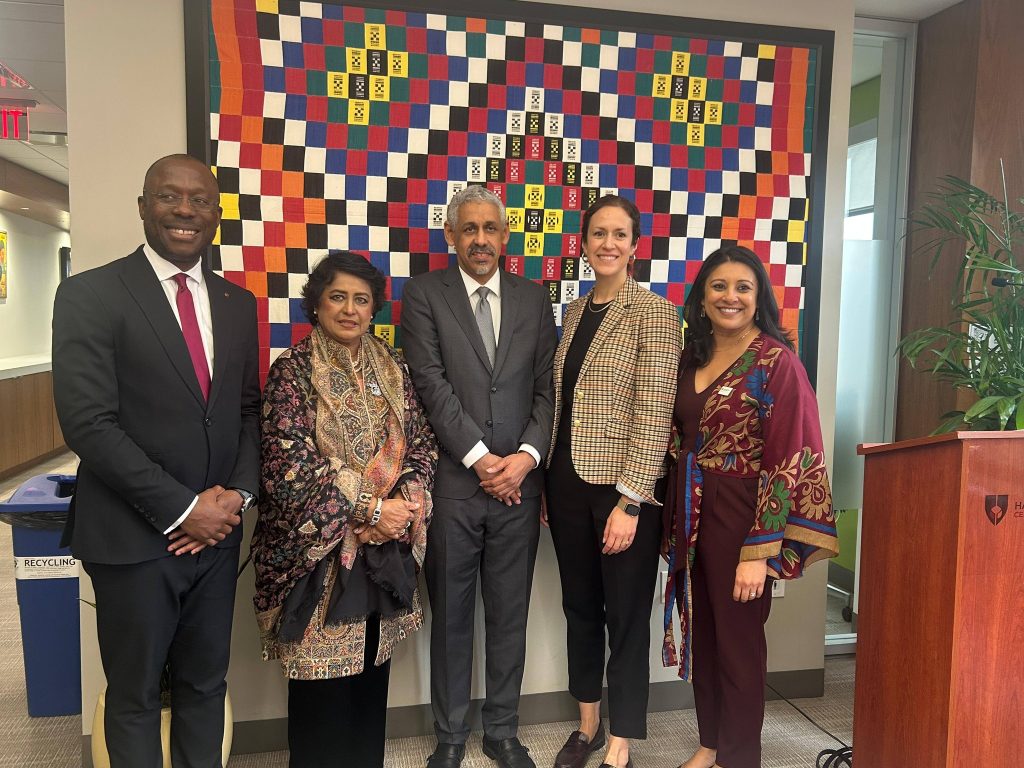
At Harvard Law School, H.E. Dr. Gurib-Fakim also had the pleasure of meeting again His Majesty Ogiame Atuwatse III, as well as her dear friend Didier Acouetey. Their presence further reflected the depth and diversity of leadership voices contributing to Africa’s development dialogue, from public policy and finance to traditional leadership, entrepreneurship, and institutional partnership.
The participation of both GLGI’s Board Chair and Director General underscores the Institute’s commitment to building meaningful connections among former national leaders, policy experts, scholars, business leaders, and institutional partners. These engagements further reflect GLGI’s mission to advance leadership, strengthen governance, and promote constructive international cooperation in response to complex global challenges.
About GLGI
The Global Leadership & Governance Institute is dedicated to advancing global leadership, governance innovation, public policy dialogue, and international cooperation. GLGI brings together former national leaders, policy experts, scholars, business leaders, and practitioners to help organizations better understand and navigate an increasingly complex global environment.
Through an integrated model of public engagement, executive education, strategic advisory, and strategic accompaniment, GLGI promotes high-level dialogue, research, capacity-building, and cross-border cooperation for a changing world. Its public engagement initiatives include summits, roundtable dialogues, policy forums, and business visits that connect global leaders, institutions, and enterprises around critical governance and development issues. Its executive education and capacity-building programs help corporate leaders understand global governance structures, geopolitical risks, and international public affairs management. Its strategic advisory and policy research work provides policy-environment analysis, geopolitical risk assessment, and international engagement insights. Its strategic accompaniment approach connects organizations with former national leaders, international experts, and global business voices to support informed decision-making, trusted partnerships, and sustainable international growth.